
The Craft of Time.
True craftsmanship is not measured by speed. It is measured by attention, patience, and responsibility.
Why Jingdezhen.
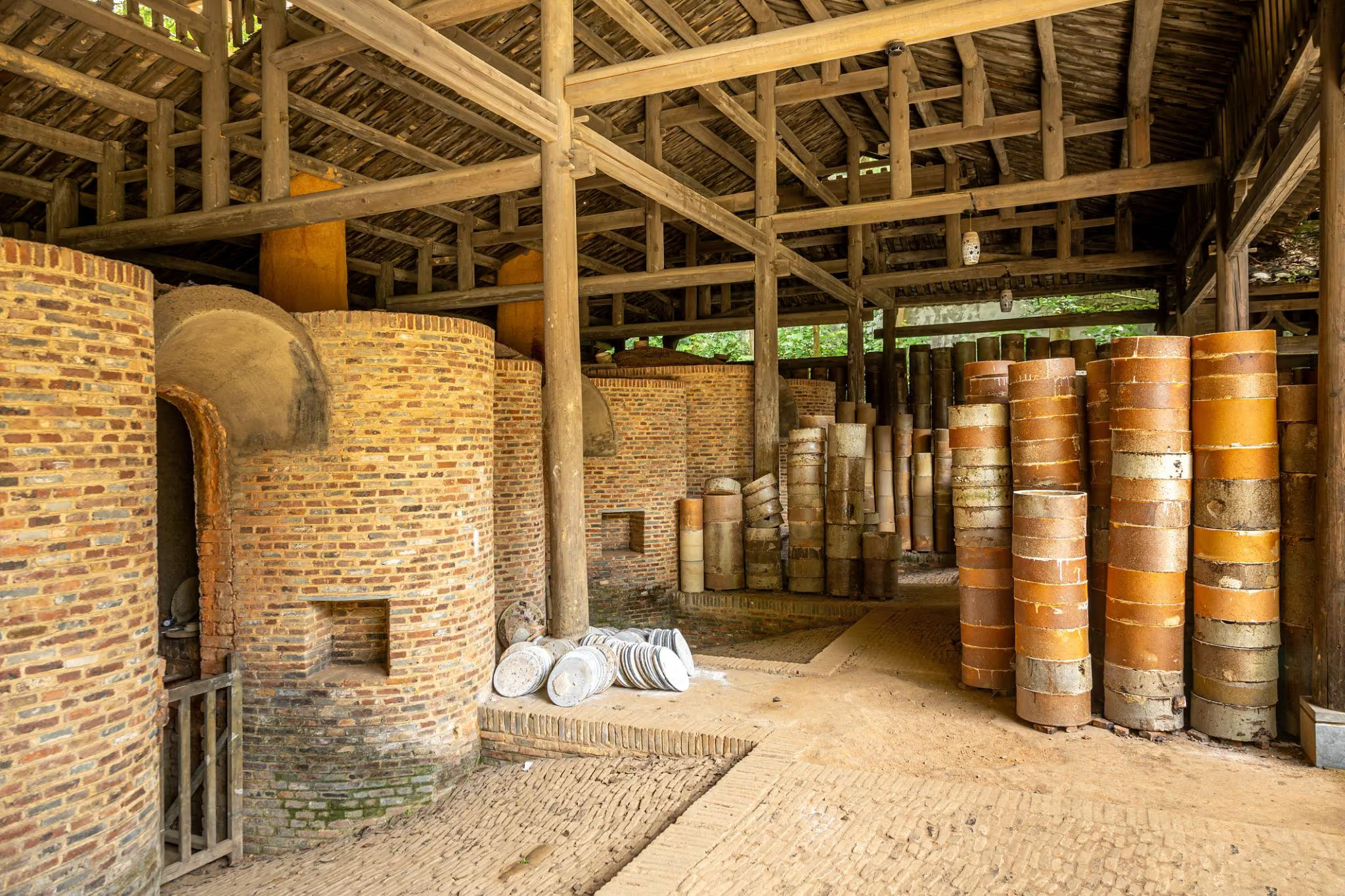
For more than a thousand years, Jingdezhen has stood at the centre of Chinese porcelain production. It is not merely a place. It is a complete and highly specialised ecosystem.
It is not merely a place. It is a complete and highly specialised ecosystem.
From story to form.
Every project begins with a conversation, not a catalogue. Wismoria acts as the sole coordinator and cultural steward of each commission — the bridge between client and the specialised porcelain-making system in Jingdezhen.
The process begins with listening.
Only then does design begin.
History.
Family or institutional.
The family lineage, the institutional charter, the story the commission is meant to register. Without history, the work has no anchor.
Purpose.
The role of the commission.
The purpose of the commission — what it marks, what it is meant to do, and where in the life of the family or institution it belongs.
Meaning.
The cultural register.
The cultural meaning the object is asked to carry — and the register in which that meaning needs to be expressed.
The making process.
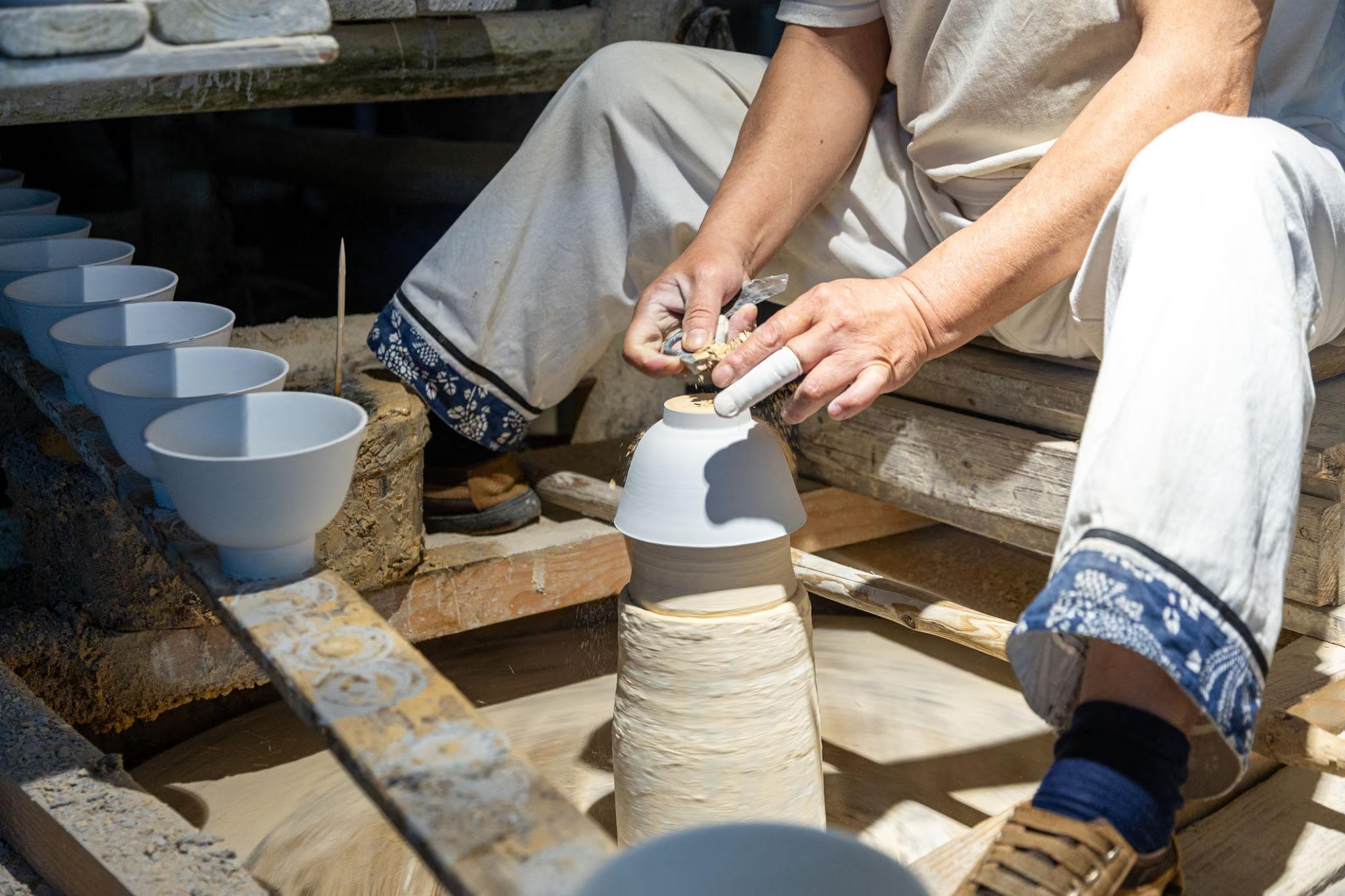
Each commission unfolds through five carefully guided stages — iterative, reflective, never linear. Craft develops through dialogue between research, design, and making.
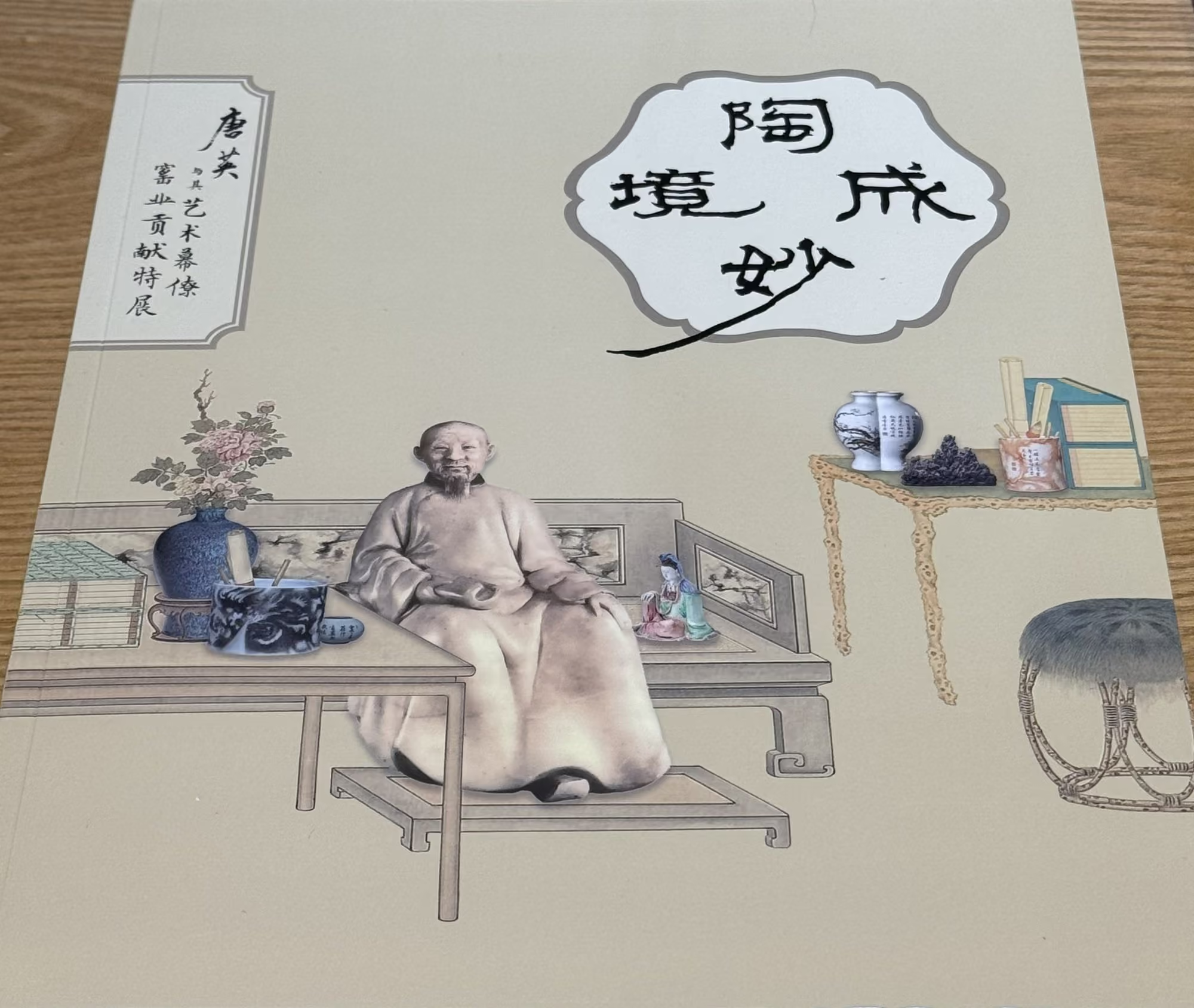
Research
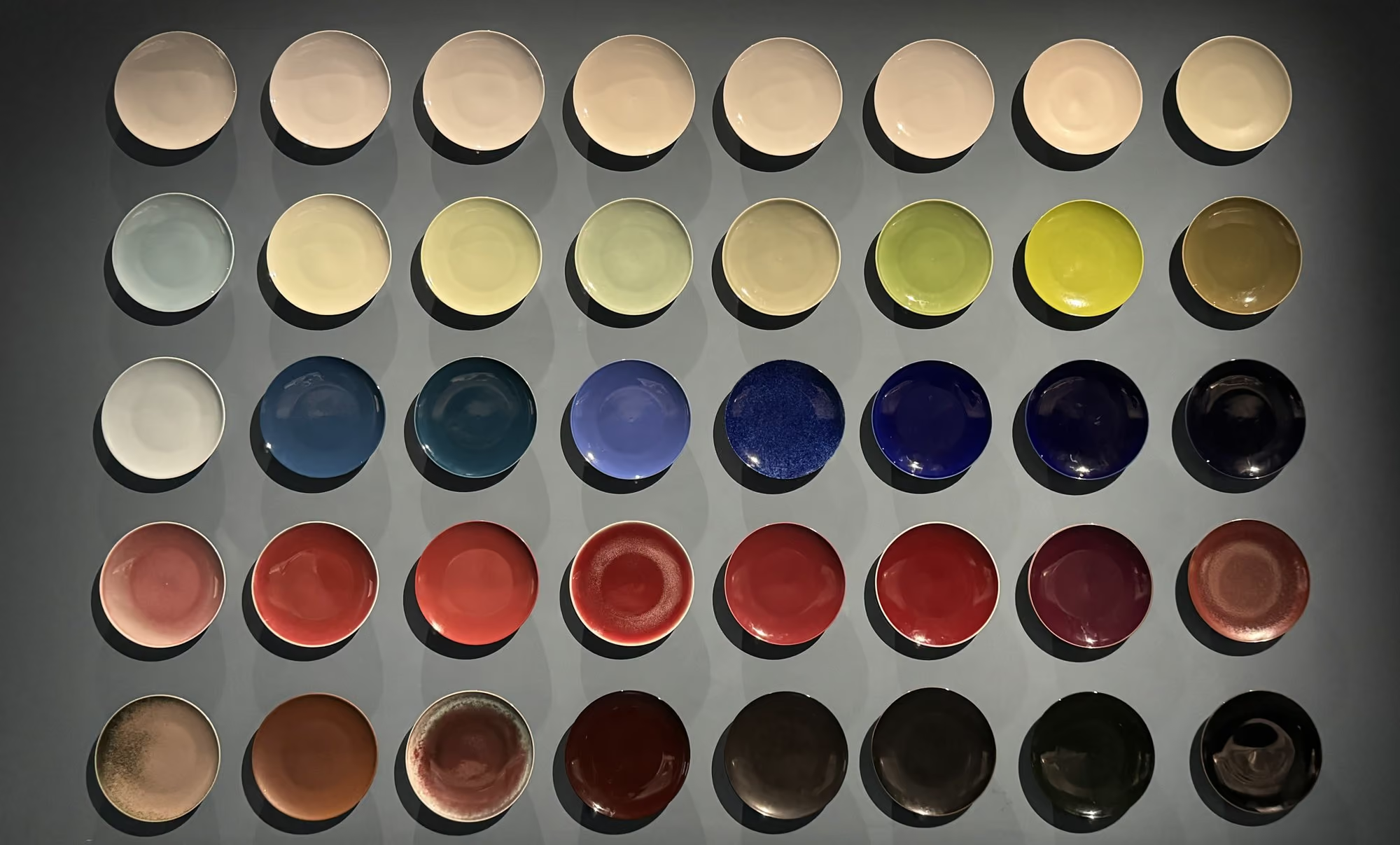
Design
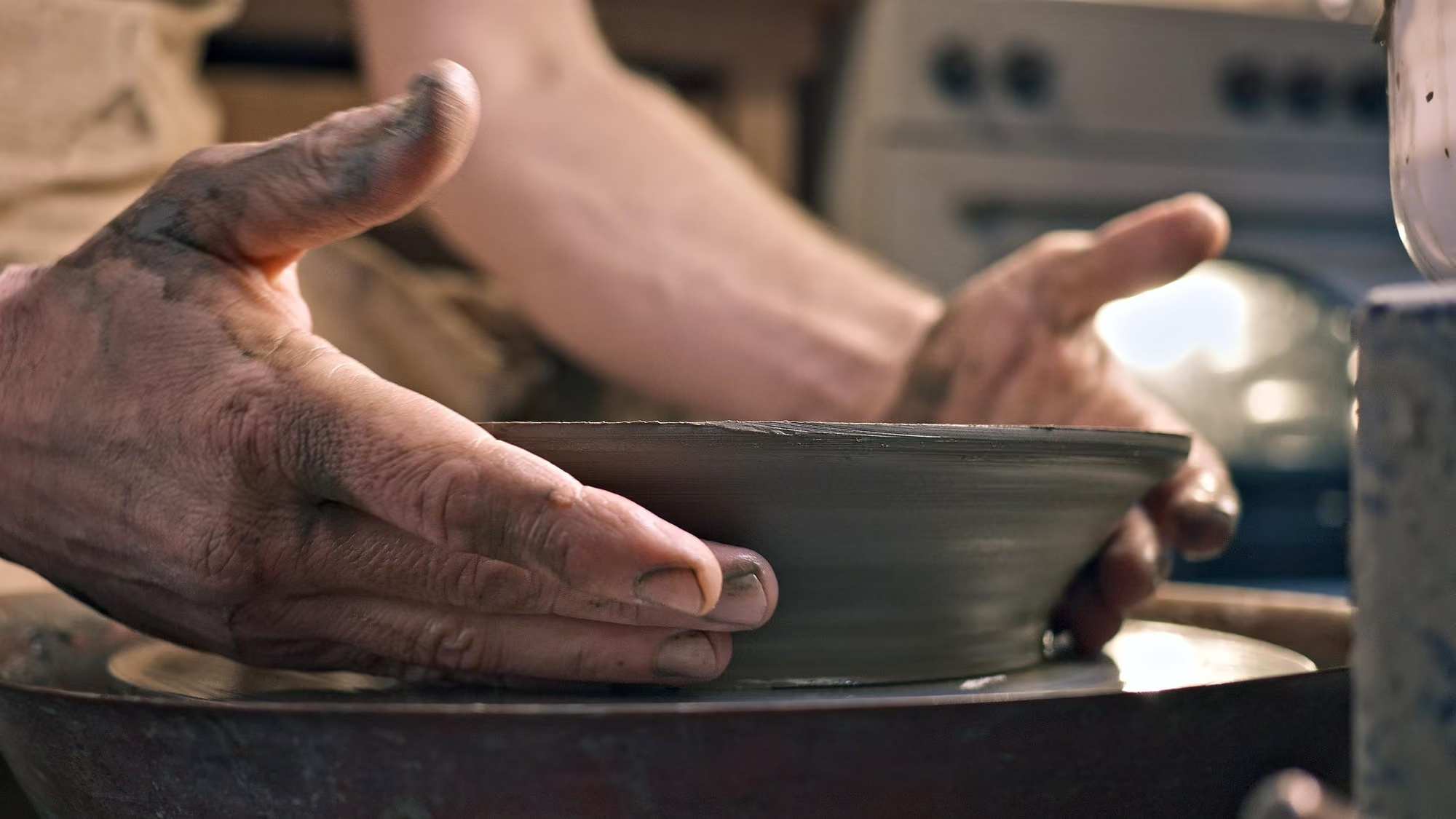
Form
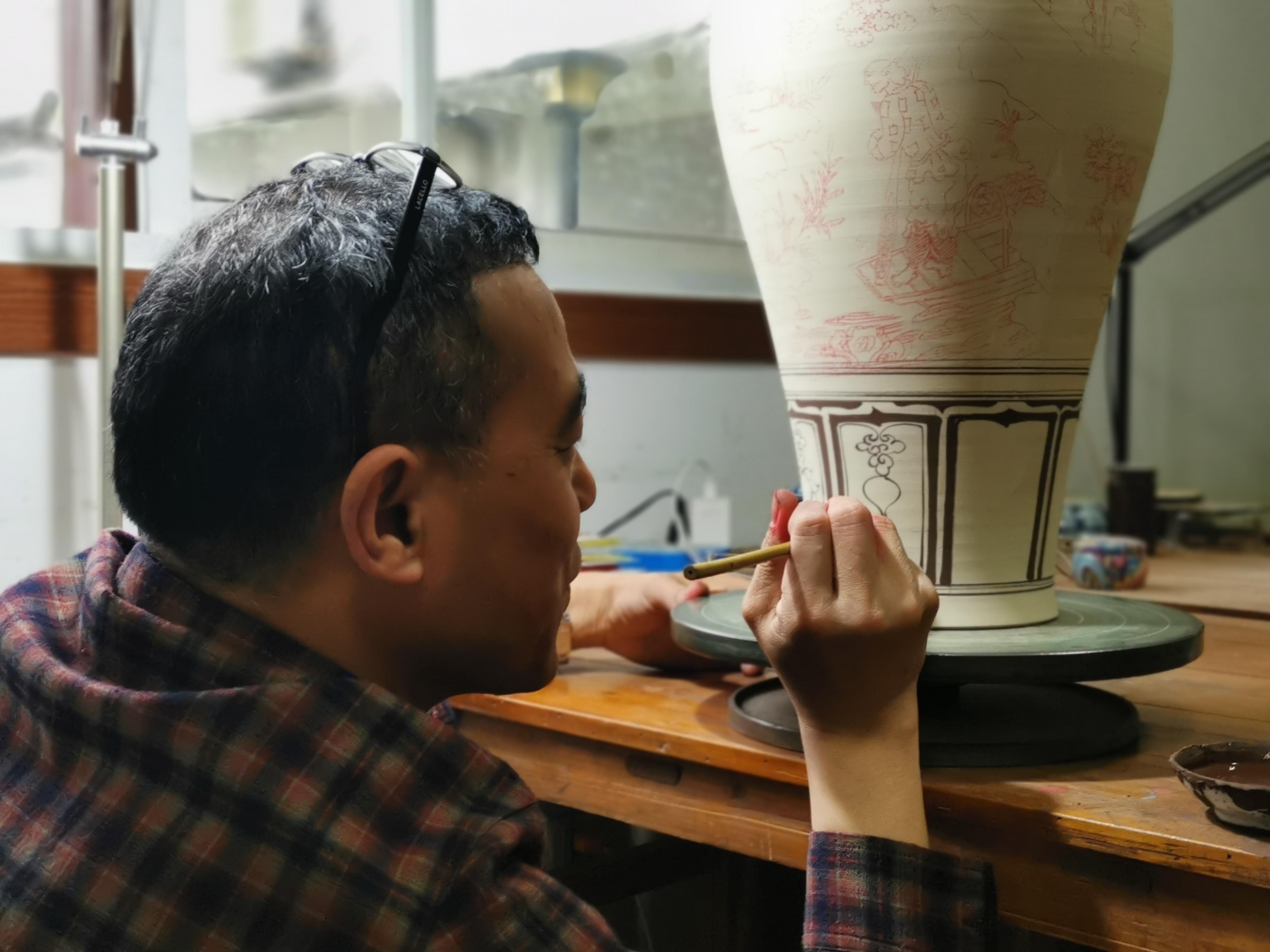
Craft
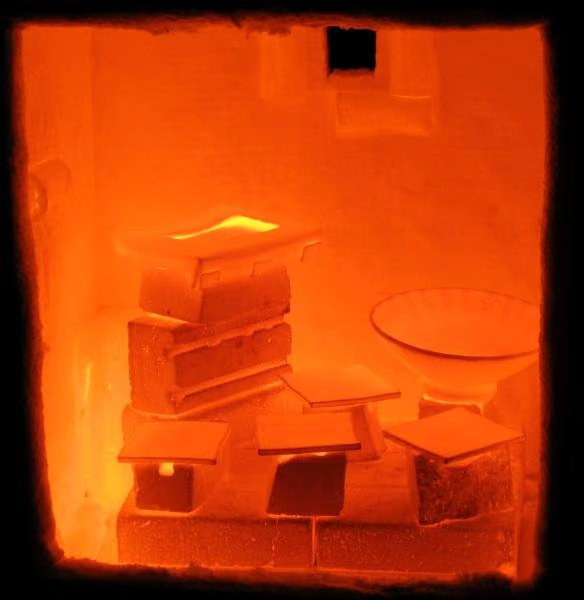
Completion
Time as part of the work.
From first discussion to final delivery, a commission may require several months for smaller works — up to a year or more for complex multi-piece services.This duration is not inefficiency. It is the natural condition of serious craftsmanship: the time the kiln takes, the time the painter takes, the time the work takes to settle into the form it is meant to hold.
This duration is not inefficiency.
It is the natural condition of serious craftsmanship.
Archival documentation.
After completion, each commission is formally documented and archived — sometimes with consultation from senior cultural scholars and museum-level specialists in Beijing, ensuring integrity and long-term traceability.
Design dossier.
Complete record of intent.
A complete design and production dossier — the heraldic studies, ornamental schemes, and the reasoning behind every choice in the commission.
Technical records.
The work, in evidence.
Technical records of the making process — material, kiln, painter, dates — the evidence of how the work came to be, kept for whoever inherits it.
Archival record.
For long-term reference.
Archival documentation for long-term reference — the permanent record that travels with the object, and that survives any one custodian.
It ensures that each work carries a record of its making.
Begin a
Conversation.
Every meaningful cultural engagement begins with a conversation.