
Private Commissions.
Every Wismoria commission begins not with an order, but with a conversation.
A private beginning.
A Wismoria commission is not a retail transaction — it is the beginning of a collaborative cultural project.
These works are not made for a moment. They are made to enter continuity. Whether for a family, an institution, or a personal legacy, each commission is conceived as a singular work — created to carry meaning beyond the present moment. The shape of the work, the scale of the project, the timeline and the budget all follow from the conversation itself. Nothing is fixed before it is understood.
These works are not made for a moment.
They are made to enter continuity.
Who this is for.
Our work is not intended for immediacy. It is intended for continuity — and addressed, accordingly, to four kinds of patron.
Families.
Who think in generations rather than seasons.
Households that understand a coat of arms is not nostalgia, but a continuing instrument — and that what is commissioned today becomes inheritance.
Collectors & patrons.
Building bodies of work with intention.
Collectors and cultural patrons assembling porcelain not as inventory, but as a coherent statement of taste, scholarship, and long-term cultural responsibility.
Institutions.
Seeking symbolic objects.
Museums, foundations, universities, and civic bodies for whom a commissioned object becomes a symbol — bound to a charter, an anniversary, or a founding act.
Individuals.
Marking moments of lasting significance.
Private individuals commissioning a single object — a service, a vase, a presentation piece — to register a moment they intend to be remembered well past their own lifetime.
What we create.
Our work is not intended for immediacy. It is intended for continuity — and addressed, accordingly, to four kinds of patron.
Services.
armorial dinner & tea services.
Complete table services made to a single coherent scheme — plates, tureens, ewers, tea wares — each piece carrying the family arms, all designed in correspondence.
Heraldic.
presentation pieces.
Singular ceremonial works — chargers, ewers, presentation vases — conceived as standalone statements of a house, an institution, or an alliance.
Commemorative.
objects of record.
Commemorative or institutional works marking foundations, anniversaries, alliances, and significant cultural moments — objects intended to outlive their occasion.
Concept-driven.
unique works of intent.
Entirely original conceptual commissions — works developed around an idea, a question, or a personal cultural project that requires its own form.
There are no templates.
Every commission is singular.
The commission process.
Each commission moves through five disciplined stages — from first conversation to archival record. Most commissions require several months to over a year.
Conversation
Research & Design
Refinement
Production
Completion
The Collection
Over the centuries, armorial porcelain developed a rich visual language combining European heraldry with Chinese porcelain craftsmanship. The following examples illustrate the range of heraldic compositions that have informed contemporary commissions.
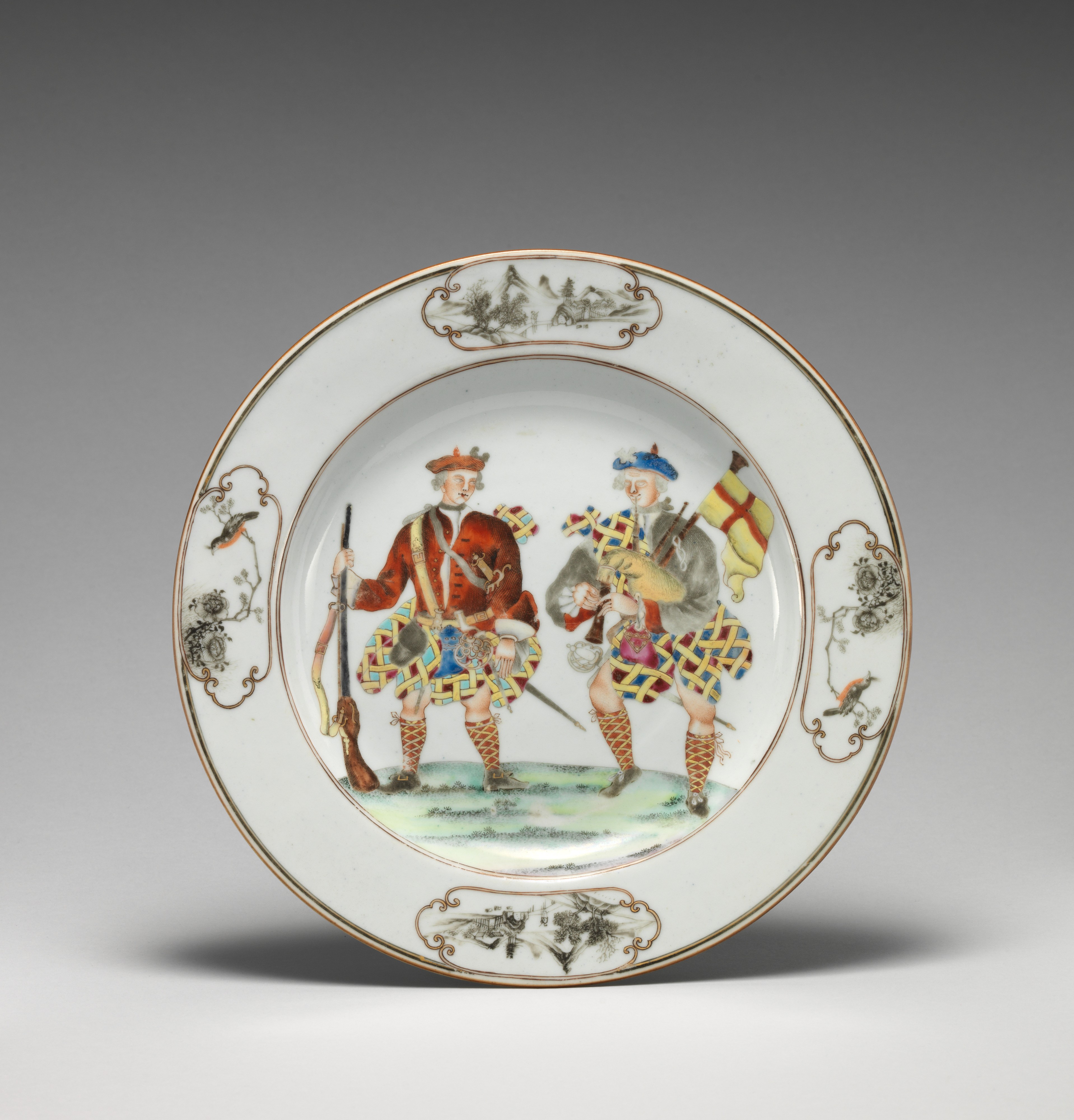
British armorial dinner plate.

Dutch East India Company armorial porcelain.
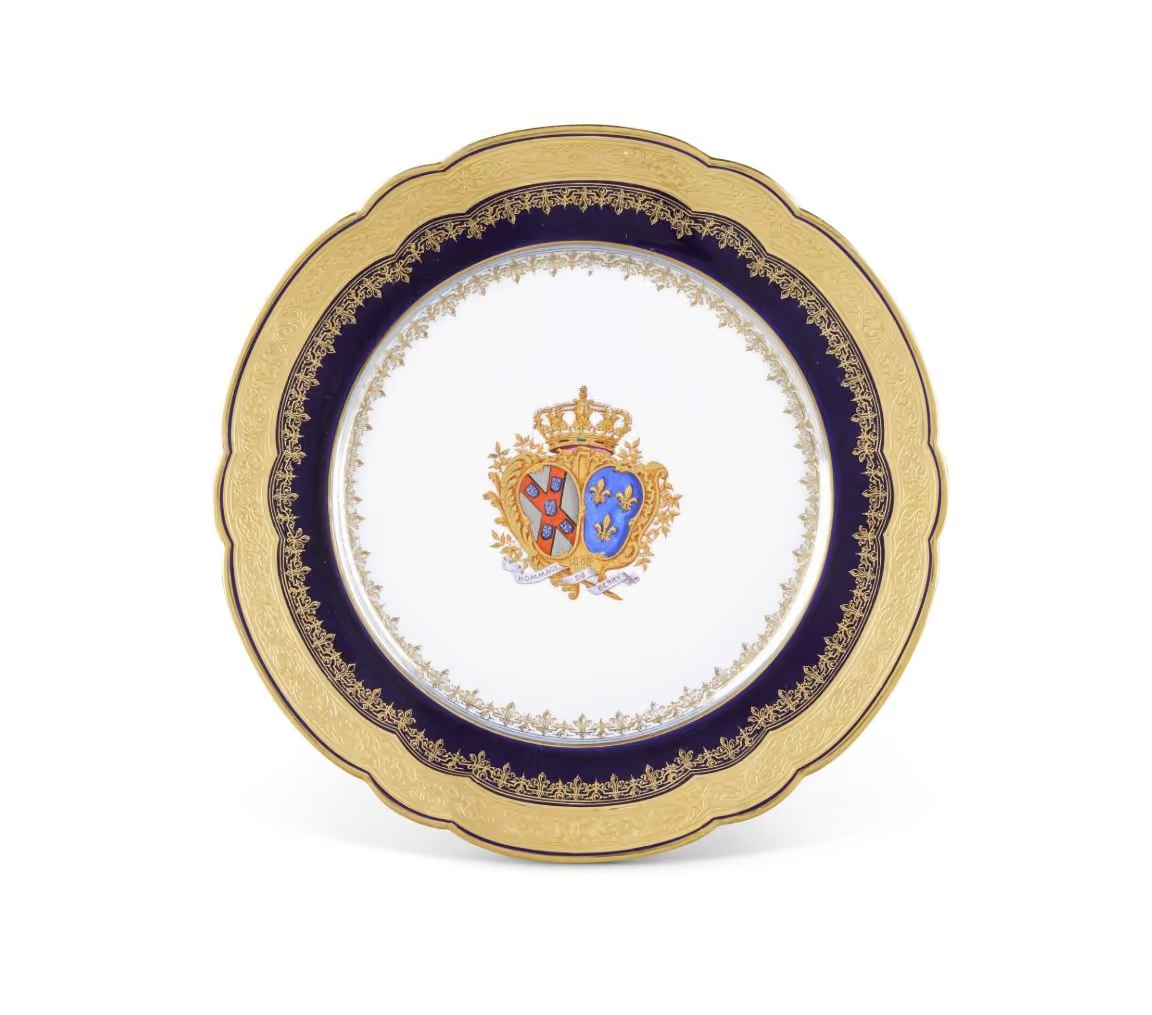
French armorial service.
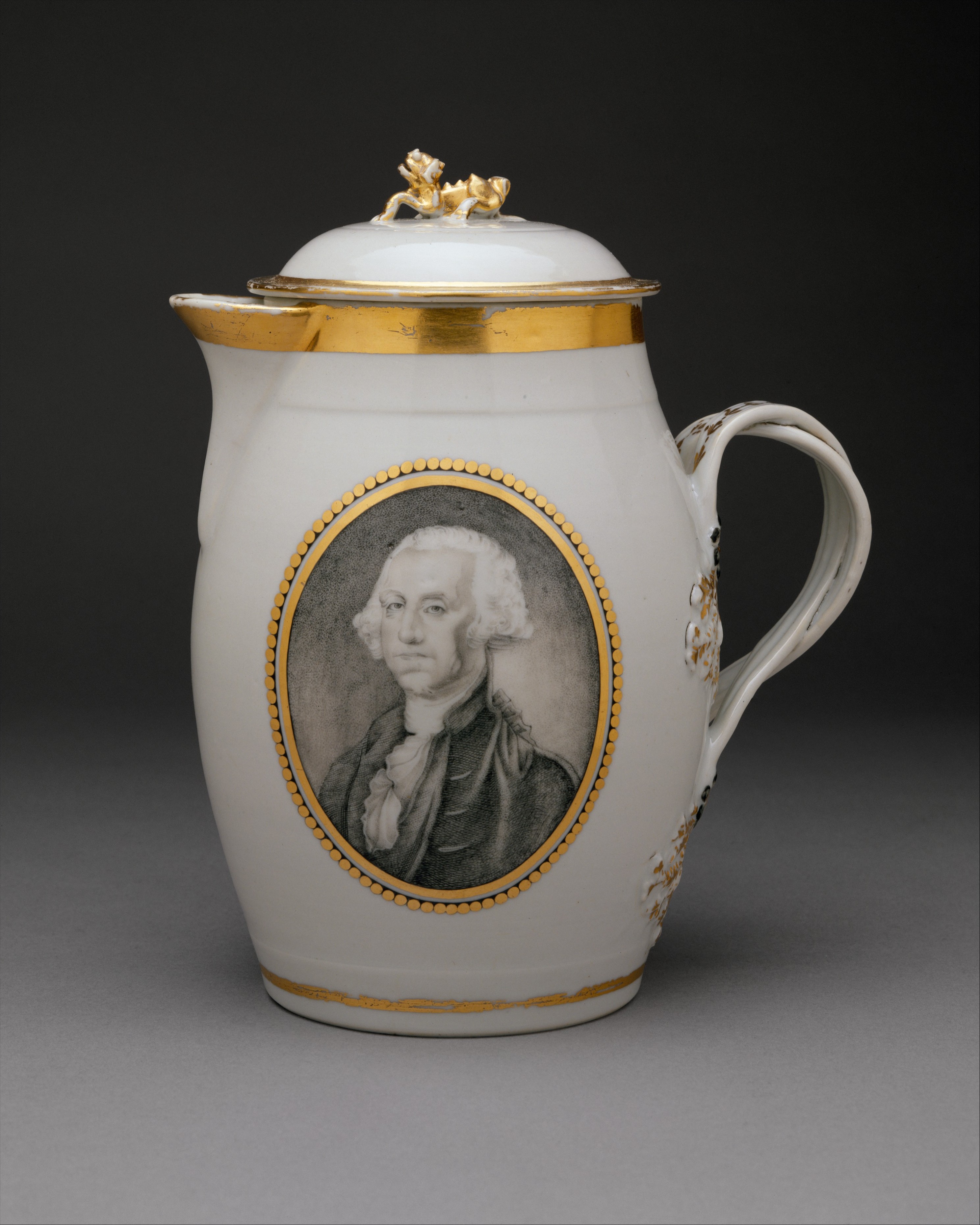
American historical portrait Porcelain.

Institutional armorial porcelain.
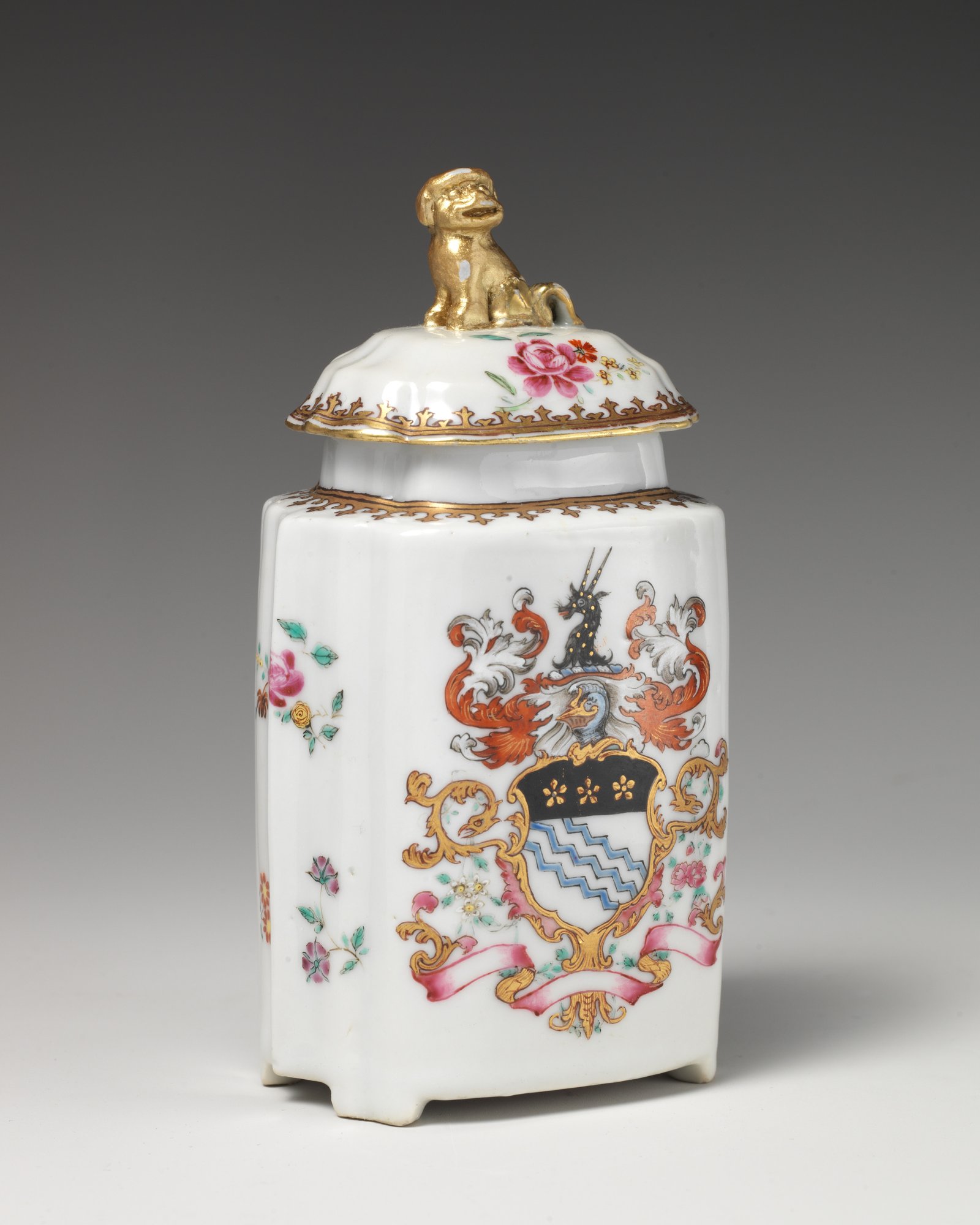
Heraldic monogram porcelain.
Time, craft, & stewardship.
Every commission is produced in Jingdezhen — the historic centre of porcelain craftsmanship — by specialised master artisans whose skills reflect generations of accumulated knowledge.
From design to firing, each stage requires patience, discipline, and time. Most commissions need several months; complex multi-piece services, more than a year.
Wismoria acts as cultural steward of each commission — coordinating the entire process and ensuring that design, heraldry, form, and craftsmanship remain coherent throughout.
Time is not a cost of the process.
It is part of its meaning.
The nature of the engagement.
Each commission develops through dialogue and careful collaboration. When reaching out, four considerations help shape the early conversation.
Patron.
who the commission is for.
Whether intended for a private collector, an institution, or as a personal gift — understanding the recipient helps shape the character and meaning of the work.
Occasion.
the role of the commission.
Many commissions mark a particular moment — a celebration, an anniversary, the creation of a lasting legacy. The occasion sets the register.
Timeline.
when the work is hoped to be completed.
Each project unfolds at its own rhythm. An approximate timeframe helps guide the planning and the research phase from the very first conversation.
Vision.
the scale or ambition of the project.
From intimate pieces to more ambitious undertakings — the desired scope informs the artistic direction, the materials, and the commitment required.
Begin a
Conversation.
Every meaningful cultural engagement begins with a conversation.