
Global Classroom.
Entering the living systems of Chinese craftsmanship and cultural knowledge — small, slow, and deeply guided.
What the Global Classroom is.
WISMORIA's Global Classroom connects scholars, collectors, educators, and cultural practitioners through immersive programmes centred on Chinese material culture, craftsmanship, and intellectual tradition.
The Global Classroom is Wismoria's long-term cultural learning initiative. It takes place in cultural centres, historic academies, private studios, and curated learning environments — combining scholarly study, hands-on experience, and guided dialogue.We do not come to observe traditions. We come to work within them.
It is not a tour.
It is not a workshop.
It is not cultural sightseeing.
Why it matters.
Many people admire Chinese culture. Very few have the opportunity to enter its living processes.
Books explain. Museums preserve. But only practice reveals how knowledge, discipline, and time are woven together — and only practice teaches what no description can.
Global Classroom exists to create this entry.
Not for consumption, but for understanding.
How it works.
Each program is structured around a specific place, a living craft tradition, and a community of practitioners — brought to life through five stages of learning: context, interpretation, encounter, practice, and reflection.
Place.
A specific cultural landscape.
Every program is anchored to a specific place — a city, a village, a kiln site, an academy — chosen for its living relationship to the tradition we are entering.
Craft.
A living tradition, in practice.
A specific living craft — porcelain, textile, lacquer, calligraphy — studied not in theory, but in daily practice alongside the people who carry it.
Community.
A community of practitioners.
A community of master practitioners who become teachers, collaborators, and hosts — turning the classroom into a working studio for the duration of the program.
Travel is secondary.
Practice is central.
Context.
Understanding the context.
Understanding the historical, cultural, and material context that gives each tradition its meaning.
Interpretation.
Reading places, objects, and traditions.
Learning how to read places, objects, traditions, and practices through guided study and interpretation.
Encounter.
Meeting the people behind the tradition.
Meeting the people who carry these traditions forward — artisans, scholars, educators, and cultural practitioners.
Practice.
Learning through direct experience.
Learning through hands-on engagement with materials, processes, and traditional practices.
Reflection.
Connecting experience with understanding.
Reflecting on what has been learned and connecting individual experience with the broader continuity of cultural traditions.
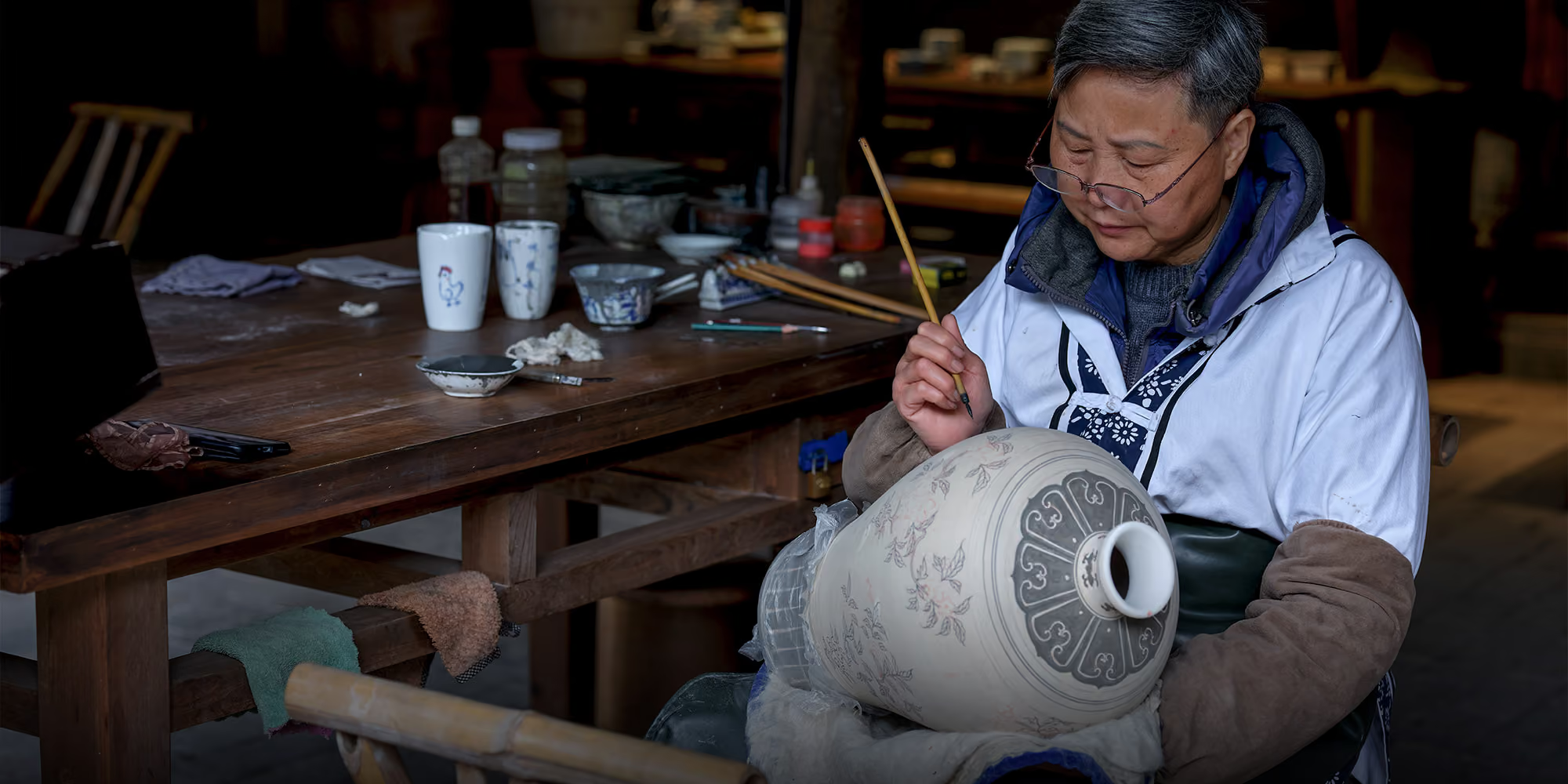
The first Classroom:
Jingdezhen ↔ Beijing.
The first Global Classroom connects Jingdezhen and Beijing — linking the living processes of porcelain production with the historical and intellectual frameworks that shaped them.
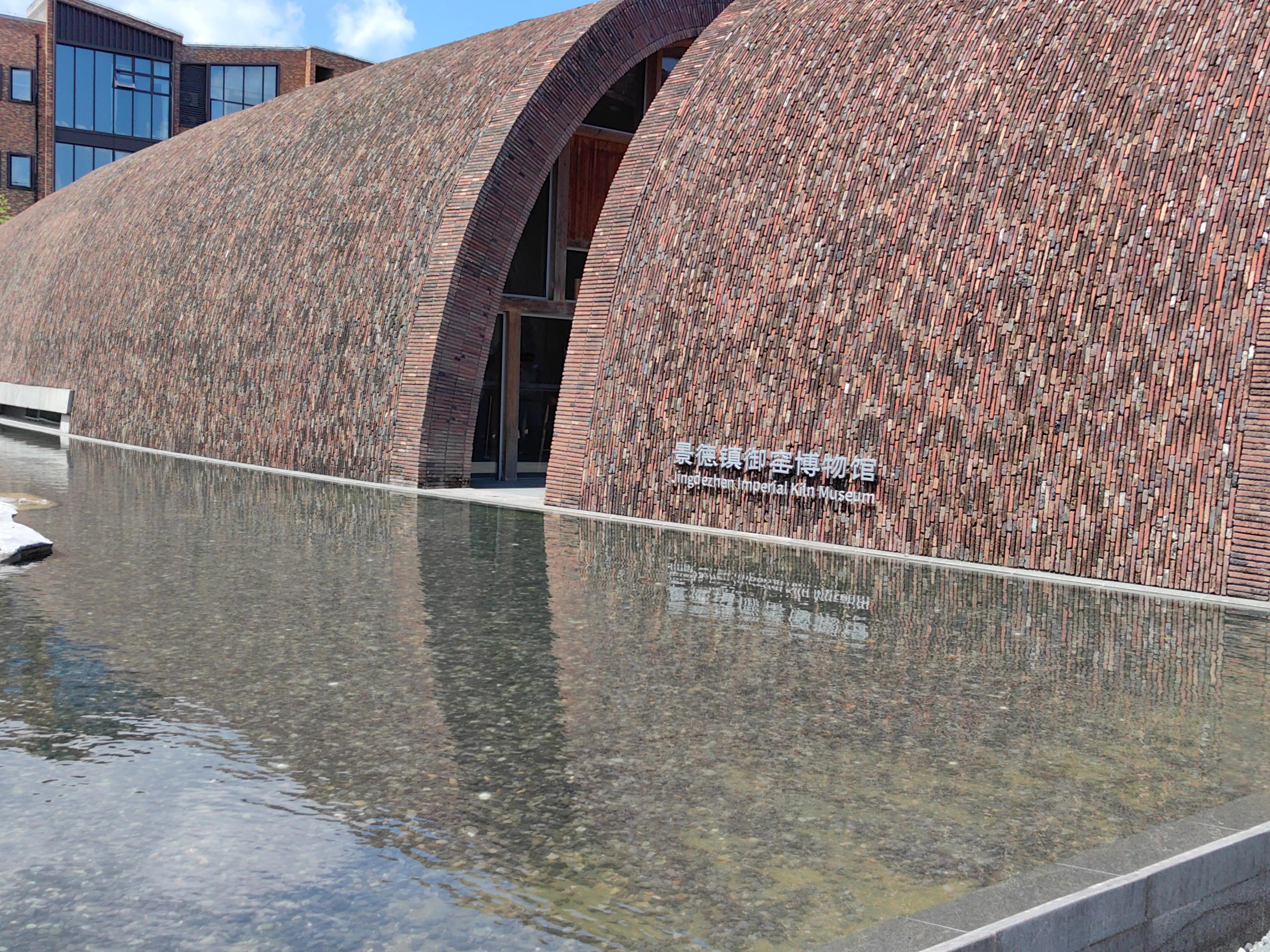
Jingdezhen.
A city is a system.
In Jingdezhen, participants enter the living ecosystem of porcelain production — material, fire, labour, and time, met as an integrated system rather than a sequence of steps.
i. Observe and engage with working artisans
ii. Experience the division of labour that defines porcelain making
iii. Understand material, fire, labour, and time as an integrated system
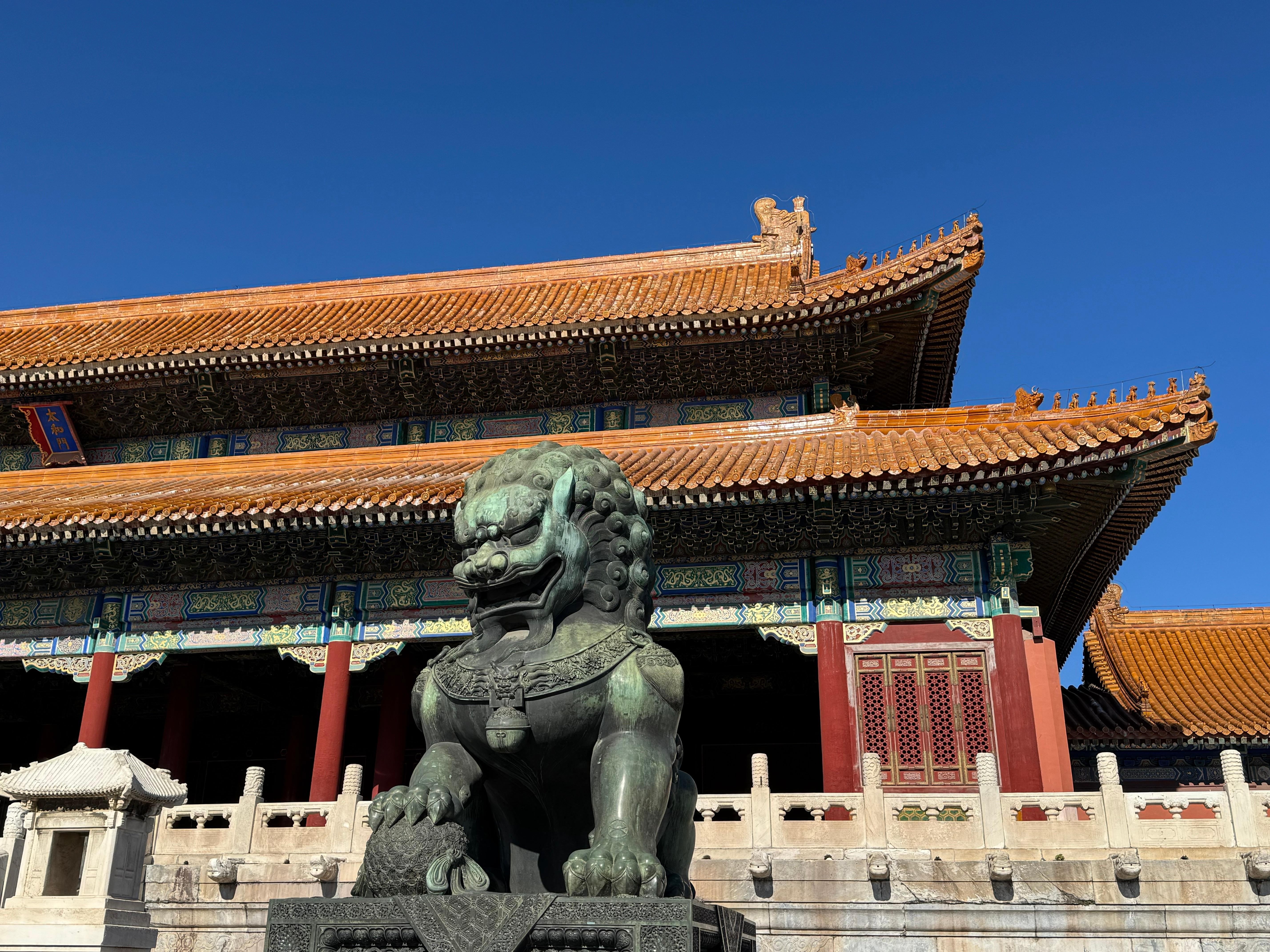
Beijing.
A city of frameworks.
In Beijing, the focus shifts from making to historical context — exploring the intellectual, ceremonial, and imperial frameworks that shaped porcelain, collections, and material culture.
i. Study imperial and ceremonial contexts for porcelain
ii. Explore the world of the Chinese scholar and collector
iii. Examine the intellectual traditions behind material culture
One Cultural System.
Future Classrooms.
The Global Classroom is conceived as a long-term, evolving initiative. Future programs will gradually expand into other regions, traditions, and forms of cultural practice across China.
Textile & Embroidery.
Silks, threads, southern cultures.
Traditional textile and embroidery cultures of Jiangnan — the southern silk regions whose work shaped courts and material culture across centuries.
Lacquer & Decorative Arts.
Slow surfaces, deep colour.
Lacquer and decorative arts traditions — practices measured not in hours, but in seasons; surfaces built up over months of disciplined work.
Literati Culture.
The world of the scholar's studio.
Classical literati culture and the world of the scholar’s studio — calligraphy, painting, scholar’s objects, and the disciplined arrangement of an intellectual life.
Regional Crafts.
Shaped by place & history.
Regional craft systems shaped by local history and material culture — the smaller cities and counties where traditions remain closely tied to place.
Contemporary China.
Institutions, contemporary life, and cultural change.
Exploring contemporary China through institutions, cultural life, and carefully curated encounters that place tradition in a present-day context.
Program Details.
Designed for depth, comfort, and meaningful engagement.
Duration.
10 days · 9 nights.
A carefully structured cultural education journey across Beijing and Jingdezhen — long enough for meaningful immersion, yet focused enough to remain disciplined.
Group size.
8 to 12 participants.
Small groups keep the classroom intimate — allowing meaningful dialogue, direct engagement, and a working relationship with the people and places we encounter.
Learning.
Study, dialogue, encounter, practice..
Guided study, museum and collection visits, expert and artisan encounters, studio visits, hands-on engagement, and reflection.
Language.
English, with bilingual support.
Programs are conducted primarily in English, with bilingual guidance provided where appropriate to support deeper cultural understanding.
Structure.
Long enough to absorb a practice.
Each program is designed to allow enough time for meaningful immersion while remaining focused and disciplined.
Community.
The classroom remains a working community.
Small groups allow participants to learn through dialogue, observation, and direct engagement rather than simply following an itinerary.
Rhythm.
A daily rhythm, rather than a fixed itinerary.
Each day balances guided study, cultural encounters, practice, and reflection, allowing the experience to respond to the place and its practitioners.
Participation.
Families, private groups, and custom programs.
Global Classroom programs may be adapted for families, private groups, and institutions whose interests align with particular cultural, educational, or academic themes.
One continuous cultural system.
Global Classroom is not separate from WISMORIA. It is one of its foundations — alongside the Collection and Private Commissions.
The Collection.
Historical standards.
The Collection provides historical standards — the references against which both the work and the learning are measured.
Private Commissions.
Tradition into the present.
Private Commissions continue the tradition into the present — extending what is studied in the classroom into singular contemporary works.
Global Classroom.
Knowledge kept living.
Global Classroom ensures that the knowledge remains living and transmissible — a system that does not depend on records alone.
Who this is for.
The Global Classroom is designed for individuals, families, private groups, and institutions seeking deep engagement with Chinese material culture. Every participation begins with a conversation.
Collectors & patrons.
Building cultural depth.
Collectors and cultural patrons whose engagement with porcelain or material culture has reached the point where books and visits no longer suffice.
Artists & designers.
In search of source.
Artists and designers seeking direct contact with traditions whose discipline informs their own practice — and whose source they wish to understand.
Educators & researchers.
Building living knowledge.
Educators and researchers building living knowledge of Chinese material culture — for institutions, for publications, or for their own continuing scholarship.
Serious learners.
At any age.
Serious learners of any age — for whom the program is undertaken not as travel, but as a deliberate engagement with a tradition that requires real time and real attention.
Explore the Global Classroom.
A living tradition is understood not only through what it preserves, but through what it continues to teach.
WISMORIA Global Classroom offers structured cultural learning focused on Chinese history, material culture, traditional arts, and cultural heritage. The program explores how historical knowledge, artistic practices, and craft traditions are preserved, interpreted, and transmitted across generations.
The program guide introduces the learning framework and the inaugural 10-day journey connecting Beijing and Jingdezhen.
Download the Program Guide (PDF) →Begin a
Conversation.
Every meaningful cultural engagement begins with a conversation.